Most people researching the best places to live in Costa Rica pick a town from a vacation memory, then discover the hospital is two hours away or the rain never stops in October.
Costa Rica is small, but it lives like eight different countries. This guide compares the eight main expat regions on cost, climate, healthcare, and community, then gives you a six-step test to pick yours.
Where Do Expats Live in Costa Rica?
The best places to live in Costa Rica for most expats are the western Central Valley (Escazú, Santa Ana), Atenas and Grecia, the Guanacaste coast (Tamarindo, Playa Negra, Nosara), Lake Arenal, Jacó, Costa Ballena, and the southern Caribbean. The Central Valley wins on healthcare and climate; Guanacaste wins on sun and airport access.
The U.S. State Department has estimated that roughly 120,000 U.S. citizens reside in Costa Rica, and they cluster in the regions below.
The 8 Regions at a Glance
- Escazú and Santa Ana: best for healthcare and city convenience
- Atenas and Grecia: best for mild weather on a budget
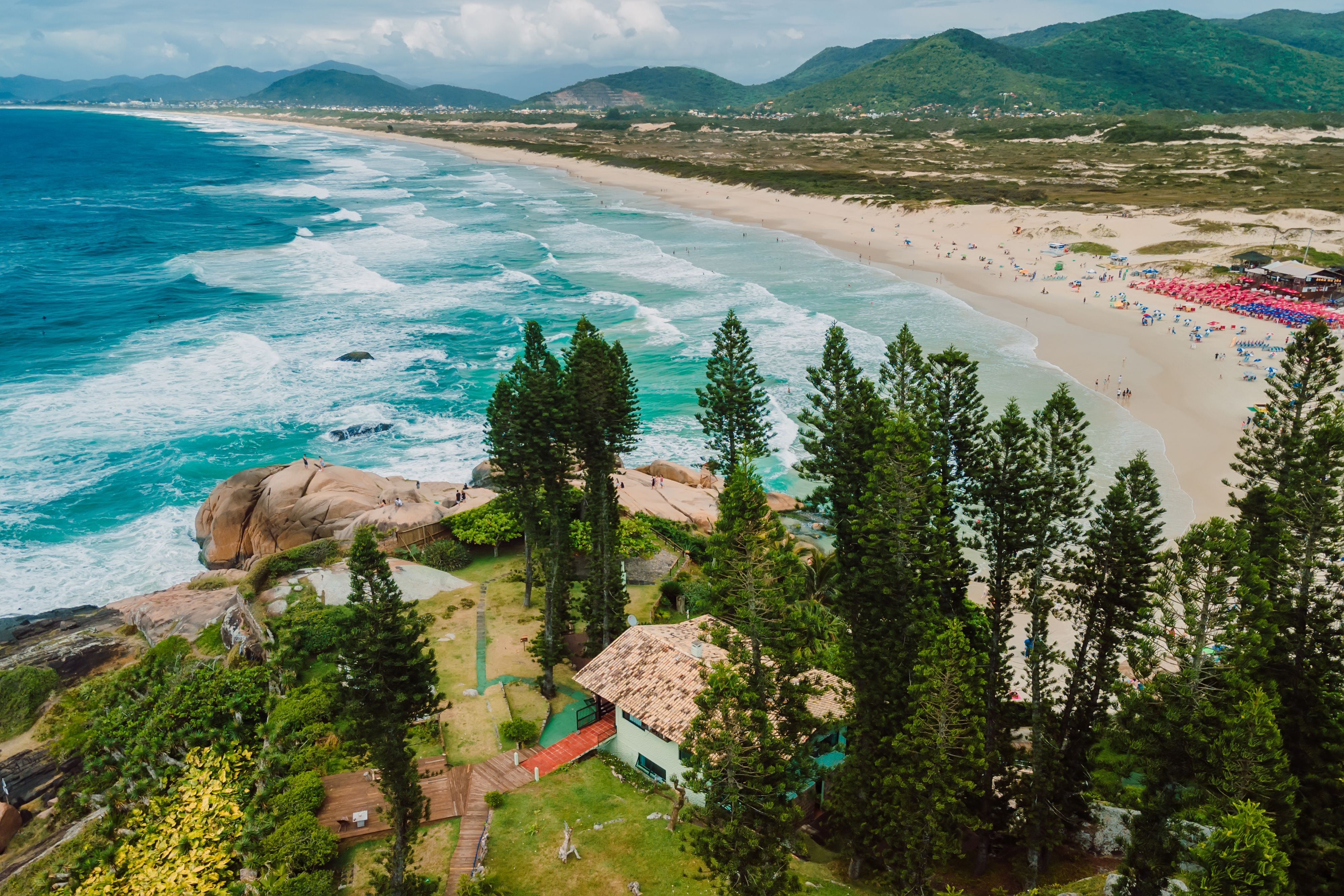
- Tamarindo and the northern Gold Coast: best for beach life with full services
- Playa Negra, Avellanas, and Nosara: best for a quieter surf and wellness coast
- Lake Arenal: best for cool, green, small-town living
- Jacó and the Central Pacific: best beach access to San José
- Costa Ballena (Dominical, Uvita, Ojochal): best for rainforest-meets-ocean
- Southern Caribbean (Puerto Viejo, Cahuita): best for culture and lower costs
The 8 Best Places to Live in Costa Rica, Compared
1. Escazú and Santa Ana
The most established of the Costa Rica expat communities, 25 minutes from the airport. It's also the most expensive: San José scores 55.88 on Numbeo's Cost of Living Index (New York = 100), and Escazú sits at the top of that metro.
The weather is spring-like, with Costa Rica's weather service putting the Central Valley average near 72°F. Hospital CIMA and other top private hospitals are minutes away, and the English-friendly community is large, with international schools.
Pros
- The best hospital access in the country
- Fiber internet and the airport close by
Cons
- Traffic and city pace
- No beach within 90 minutes
2. Atenas and Grecia
Hillside towns that trade city noise for coffee farms. Costs are moderate, noticeably below Escazú for rent and dining, and the climate brings warm days, cool nights, and a real dry season from January to March.
Grecia has a public hospital, Hospital San Francisco de Asís, and Escazú's private hospitals are about 40 minutes away. The community leans retiree, with active social groups.
Pros
- One of the country's most comfortable climates
- Close to the airport without city prices
Cons
- Steep roads and spread-out homes mean you need a car
- Quiet nightlife
3. Tamarindo and the Northern Gold Coast
Guanacaste's busiest coastal strip, about an hour from Liberia International Airport. Expect high costs, since Tamarindo is one of the priciest towns in the country.
It's also the driest region, with daytime highs near 90°F and almost no rain from December through April. Town has private clinics, while full public and private hospitals are in Liberia. The community is big, social, and international, with English-language schools.
Pros
- Everything within walking distance
- Easy direct flights to U.S. hubs
Cons
- Crowds and construction in high season
- Hot and dusty by April
Compare individual towns in our Guanacaste real estate guide.
4. Playa Negra, Avellanas, and Nosara
Southern Guanacaste, where dirt roads keep growth slow. Playa Negra sits 25 minutes south of Tamarindo, and Nosara anchors the Blue Zone wellness scene. Prices vary widely: Nosara's Guiones area is among the priciest beach markets, while Playa Negra and Avellanas are earlier in their growth.
The dry season matches Tamarindo's. Healthcare means local clinics, a public hospital in Nicoya, and private hospitals in Liberia, roughly two hours from Playa Negra. The community is smaller, surf-and-wellness focused, and close-knit.
Pros
- World-class surf and empty beaches
- Village feel with Tamarindo's services nearby
Cons
- Rough roads in the rainy season
- About two hours to private hospitals
5. Lake Arenal
Nuevo Arenal and Tilarán sit above Costa Rica's largest lake, with cooler air and low to moderate costs, especially for land. The climate is mild, green, and often windy, with rain spread through the year.
Full hospitals are 90 minutes or more away. The community is small and retiree-heavy.
Pros
- Cool weather and lake life
- Lower prices than any coast
Cons
- Isolation and long drives
- Persistent wind and mist for part of the year
6. Jacó and the Central Pacific
The closest real beach town to San José, about 90 minutes by car. Costs run moderate to high, with gated communities in nearby Herradura, and the weather is hot, humid, and wetter than Guanacaste.
Jacó has private clinics, and Hospital Monseñor Sanabria in Puntarenas is the regional hospital. The community is large and mixed, with a party reputation in the town center.
Pros
- Beach life with fast access to the capital
- Plenty of rentals to test before buying
Cons
- Nightlife and noise in central Jacó
- Visible crime concerns compared with quieter towns
7. Costa Ballena: Dominical, Uvita, and Ojochal
Rainforest meets ocean beside Marino Ballena National Park. Costs are moderate but rising fast in Uvita, and it's lush, hot, and one of the wettest regions on the Pacific side.
The main hospital, Hospital Escalante Pradilla, is in Pérez Zeledón. The community is eco-minded and creative, with a known food scene in Ojochal.
Pros
- Stunning scenery and whale season
- Strong sense of community
Cons
- Heavy rain from September to November
- About three and a half hours from San José's airport
8. Southern Caribbean: Puerto Viejo and Cahuita
Afro-Caribbean culture and jungle beaches on the east coast, with the lowest costs of any coastal region. One estimate puts a comfortable life for a couple in Limón province at under $2,400 a month.
It's humid with rain year-round, though September and October are often its driest months. The regional hospital, Hospital Tony Facio, is in Limón. The community is bohemian, international, and bike-friendly.
Pros
- Unique culture and food
- Lower cost of living
Cons
- About four hours from San José's airport
- Security concerns; OIJ data shows 2025 violence concentrated in the Central Valley and Caribbean
A Word on Safety and Residency
Costa Rica recorded 873 homicides in 2025, a rate near 16.8 per 100,000 residents. Most of it ties to gang disputes in specific districts, which is why neighborhood choice matters.
To stay long term, retirees typically use the pensionado category, which requires a lifetime pension of at least $1,000 a month. Remote workers can use the digital nomad visa at $3,000 a month in foreign income, or $4,000 with family. See our guide to retiring in Costa Rica for the full timeline.
How to Pick Your Region: A 6-Step Test
- Rank your top three non-negotiables. Most regions win two and lose one.
- Visit twice. Once in the dry season (December to April) and once in September or October, the rainiest stretch on the Pacific side.
- Time the real drives. Clock the trip to the nearest full hospital and the airport, in the rain.
- Rent for three to six months first.
- Test the internet at the exact address. Service varies street by street. Remote workers, see our guide to the best Gold Coast towns for remote workers.
- Verify the land before you fall for it. On the coast, Law 6043, the Maritime Zone Law, makes the first 200 meters from the high tide line public or concession land. Confirm titled vs. concession status, the water letter, and the survey map with a Costa Rican attorney.
An Illustrative Example
Consider a retired couple from Phoenix with $3,800 a month in combined Social Security. They want sun, ocean, and a reachable hospital. Escazú fails the beach test. Tamarindo fits, but they want quiet.
They rent in Playa Negra for four months in the green season, time the two-hour drive to Liberia's private hospitals, and decide the trade is worth it. They keep private insurance alongside the Caja. If that profile sounds like yours, book a video tour of Playa Negra and see the town before you fly.
Choosing the Best Place to Live in Costa Rica for You
The best places to live in Costa Rica depend on your health, budget, and pace. Choose the Central Valley for hospitals and spring weather, Guanacaste for sun and airport access, and the south or the Caribbean for lush scenery and lower costs.
Surfers should read our guide to where to live in Costa Rica if you love surfing. If Playa Negra makes your shortlist, schedule a video walkthrough with someone who lives there.
Frequently Asked Questions
Where do most expats live in Costa Rica?
Most expats live in the Central Valley, especially Escazú, Santa Ana, Atenas, and Grecia, because of hospital access and mild weather. The second-largest cluster is the Guanacaste coast, including Tamarindo, Playas del Coco, and Nosara, which is popular for its dry climate and Liberia's international airport. Smaller communities live around Lake Arenal, Costa Ballena, and Puerto Viejo.
Is it safe to live in Costa Rica?
Most expats live safely in Costa Rica, but crime has risen. The country recorded 873 homicides in 2025, mostly tied to gang disputes concentrated in a small number of districts in the Central Valley and Caribbean. Common-sense steps help: research the neighborhood, choose secure housing, avoid displaying valuables, and rent before buying.
How much does it cost to live in Costa Rica?
Costs depend heavily on region. San José scores about 56 on Numbeo's cost of living index, where New York is 100, and beach towns like Tamarindo and Nosara run higher than the national average. Rural areas, Lake Arenal, and the Caribbean coast cost the least. Imported goods, cars, and electronics cost more than in the U.S.
Can Americans live in Costa Rica permanently?
Yes. Americans can apply for temporary residency, then permanent residency after three years. Retirees usually qualify through the pensionado category with a lifetime pension of at least $1,000 a month. Remote workers can use the digital nomad visa with $3,000 a month in foreign income. Legal residents must enroll in the Caja, the public healthcare system.
What is the best place to live in Costa Rica for retirees?
Atenas, Grecia, and Escazú are the most popular choices for retirees because they combine mild weather with short drives to major hospitals. Retirees who want the beach often choose Guanacaste for its dry season and nearby airport, accepting longer hospital drives. Lake Arenal suits retirees who want cool weather and lower costs.
Which part of Costa Rica has the best weather?
The Central Valley has the most comfortable weather, averaging around 72°F year-round. Guanacaste has the most sunshine, with a dry season from December through April and daytime highs near 90°F. The Caribbean coast and the southern Pacific are wetter and greener, with rain possible in most months.